
Is Your Tap Water Really Clean? 10 Signs You Need a Water Filtration System

Little girl holding glass of water with one hand and giving a thumbs up with the other

Most homeowners assume their water is safe because it looks clear. But many common water issues are not always visible. Minerals, chlorine, sediment, and other contaminants can still affect your water quality and the way your plumbing performs.

If you have noticed changes in taste, smell, or buildup around your fixtures, it may be time to consider a water filtration system. A whole-home water filtration system can help improve water quality at every tap, giving your household cleaner water for drinking, cooking, bathing, and cleaning.

Below are the most common signs that your home may benefit from filtration, plus why it helps to work with a trusted professional.

Little girl holding glass of water with one hand and giving a thumbs up with the other

10 Signs You Need a Water Filtration System

1. Your water tastes strange

If your water has a chemical taste, a metallic flavor, or an unpleasant aftertaste, filtration may help. Many homeowners notice this most when drinking water straight from the faucet or when making coffee and tea.

A quality water filtration system can improve taste by reducing unwanted particles that affect flavor.

2. Your water smells like chlorine or chemicals

A strong odor is one of the clearest warning signs. Chlorine smells are common in treated water, but that does not mean you have to live with it. A whole-home water filtration system can reduce odors and make the water in your kitchen and bathrooms more pleasant to use.

3. You see sediment or cloudiness

If your water looks cloudy or you notice small particles in a glass of water, your supply may contain sediment. This can also show up as grit in sinks or tubs.

Filtration helps remove sediment before it reaches your fixtures and appliances.

4. Your dishes and glassware never look clean

Water spots and residue on plates, silverware, and glassware can be frustrating. If you feel like you are rewashing dishes or constantly wiping down glasses, your water quality may be part of the problem.

A whole-home water filtration system can reduce the particles that leave behind cloudy film and spots.

5. You notice buildup on faucets and showerheads

Mineral buildup can cause white crusty deposits around fixtures. Over time, this can reduce water flow and lead to costly plumbing issues.

Installing a water filtration system can help protect your fixtures and reduce buildup.

6. Your skin feels dry after showering

If your skin feels tight or irritated after bathing, your water may be contributing. Some water conditions can make soaps harder to rinse and leave your skin feeling uncomfortable.

Many homeowners choose a whole-home water filtration system to improve water comfort throughout the home.

7. Your laundry looks dull or stiff

When water quality is poor, clothes may come out of the wash looking faded, feeling rough, or smelling less fresh. You may also notice detergent not dissolving well.

Filtered water can help improve laundry results and reduce residue left behind on fabrics.

8. Your appliances do not last as long as they should

Water affects everything from water heaters to dishwashers and washing machines. If you have dealt with frequent appliance repairs, water quality may be playing a role.

A properly installed water filtration system can help reduce wear and tear on water-using equipment.

9. You buy bottled water just to feel safe

If you do not trust your tap water enough to drink it, you are not alone. Many homeowners rely on bottled water for convenience and peace of mind, but the cost adds up fast.

A whole-home water filtration system helps reduce the need for bottled water and makes clean water available right from the tap.

10. You want more confidence in your home’s water

Even if you are not seeing obvious problems, you may still want better water for your family. Clean water supports daily life, from cooking meals to brushing teeth.

A water filtration system can give you a more consistent, dependable water supply.

Why a Whole Home Water Filtration System Makes a Difference

A whole-home water filtration system treats water as it enters your home. That means filtered water reaches every faucet, shower, and appliance. Instead of improving water in just one area, whole-home filtration supports your entire plumbing system.

This can be a great option if you want cleaner water for:

  • Drinking and cooking
  • Bathing and handwashing
  • Laundry and dishwashing
  • Ice makers and refrigerators
  • Everyday cleaning

Why You Should Call Affordable Plumbing, Heating & Air

Choosing the right filtration setup is not always simple. There are many systems available, and the best option depends on your home, your plumbing, and your goals. When you work with Affordable Plumbing, Heating & Air, you get guidance from experienced professionals who take the time to listen and recommend the right solution.

Here is what you can expect when you call our team:

Clear options, not pressure

We do not push unnecessary upgrades. We focus on practical recommendations that fit your needs and budget.

Proper installation that protects your plumbing

A water filtration system must be installed correctly to work efficiently. Our technicians set up the system the right way from the start.

Help beyond installation

Water filtration is not a one-time service. You need to check and replace filters on schedule. If you ever notice changes in water pressure or performance, we can help.

Reliable service you can trust

Homeowners choose us because we show up on time, treat homes with respect, and provide quality workmanship.

Ready for Cleaner Water at Home?

If you are noticing any of these signs, it may be time to explore a water filtration system for your home. A whole home water filtration system can improve water quality, protect your plumbing, and make everyday life more comfortable.

Call Affordable Plumbing, Heating & Air today to schedule an appointment and get expert help choosing the right filtration solution.

The History of the International Day of Peace

international day of peace

During September we celebrate the International Day of Peace. International Day of Peace, or Peace Day, is September 21st. We’ve celebrated this day since 1981 when it was created through a United Nation’s resolution.

The purpose of Peace Day is to globally come together to promote peace and to work towards creating a culture of peace. This year, the focus of Peace Day is on climate change and how combating climate change is a way to promote peace.

In honor of this important day, we’re going to talk about plumbing, water and ways we can all join the Peace Day celebrations this year.

Our Reliance on Plumbing Technology

plumbingtechnologyWhen you think about world peace, plumbing might not be the first thing that comes to mind.

However, when you contemplate climate change and the effects that it could have on communities around the world, it’s hard to not think about some of the modern conveniences that we currently enjoy and the effect that they have on our daily lives.

Our plumbing technology gives us access to adequate amounts of clean and hot water. We depend upon this water supply for hydration, nutrition and hygiene. While we often take this for granted, it’s an essential part of our everyday life.

When you think about climate change this September, we hope you’ll remember the important role that plumbing technology and water play in your life and work to protect this important resource.

Preparing for Water Droughts

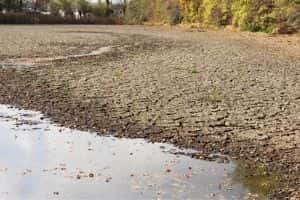
waterdroughtsNothing makes you appreciate having adequate water more than a drought. Unfortunately, with rising temperatures, we can expect to have more droughts and ongoing issues with natural water disasters.


Knowing this risk, we all need to be proactive about conserving water. We can do this through high-efficiency appliances, rain barrels and by being conscious about when and how we’re using water.

If we all take some small steps to save a little extra water, it could have a big impact on our overall water supply. Water is a precious natural resource, and it’s important that we all do our part to conserve this limited resource.

Uniting for World Peace

worldpeaceWhile climate change and environmental concerns can feel overwhelming, it’s also empowering to think about the impact that we can have if we all work together.

Peace Day strives to have us do just that: come together around a common goal of peace. And, this year, it specifically asks us to unite around climate change and combating climate change.

Let’s all celebrate the International Day of Peace this year by making a few changes in our lives that will help to protect the environment. If we work together, we can have a big impact and we can make major strides towards protecting the environment.

This September 21st, we hope you’ll take a moment to celebrate Peace Day and that you’ll be proactive about conserving water and protecting the environment. We’re so fortunate to have regular access to clean water and plumbing technology, let’s do our part to make sure that we continue to have this important resource. And, Happy Peace Day!

Go Back to School For Your Home’s Plumbing

plumbingsystem

Go Back to School For Your Home’s Plumbing

August is “back to school” month, but learning isn’t just reserved for children. It’s time for adults to go back to school on how your plumbing system works.

Having a basic knowledge of your plumbing system will alert you to any potential problems, save you money, and help you to know what to do in the event of a plumbing emergency.

Don’t worry. Our back to school lesson on plumbing isn’t complicated. It’s basic information that any layperson can understand.

What You Need to Know About Your Pipe System

pipesystemThere are two sets of pipes within your home. Supply pipes serve to pump pressurized water to your sinks, tubs, toilets, and appliances. Cold water is piped straight in, while hot water is generated when the water makes a quick stop off in your hot water heater.

After the water has been heated, it reenters the pipe system and is dispersed to your sinks, tubs, toilets, and appliances. The second set of pipes is called the drain-waste-vent system. These pipes run out of the home and serve to take away the water that has been used or is contaminated.

This system also serves to vent the waste lines and keep air exposed to sewage from rising back up through the drains into your home. Most pipe systems are made of either copper or plastic. Copper pipes are more expensive to install, but they have their advantages.

Copper pipes can be exposed to sunlight, are resistant to corrosion, and keep bacteria from generating in your water system. Copper pipes are also more resistant to root growth and rodent chewing. Plastic pipes are easier and more affordable to install. They are less likely to freeze over and are more flexible.

Kitchen Plumbing: The Intricacies of your Pipe System

Kitchens are perhaps the room in your home with the most water use. There are three main components to kitchen plumbing.

  • kitchenplumbingSupply lines
  • Waste lines
  • Hookups

As with the rest of the house, supply lines bring both hot and cold water to the tap in the kitchen. These lines provide the water you use for cooking, cleaning, and drinking.

Waste lines carry contaminated water away from the kitchen. The kitchen usually has several hookups for appliances. These can include dishwashers and ice machines.

How Draining Happens

drainageWhether you’re in the kitchen or the bathroom, drainage is a necessary component of your plumbing system. First, the used water goes down the drain. It enters the waste lines or drainpipes.


Suction or pumping is not needed to clear this water from the home. Drainage lines are angled so that gravity carried the used water through the lines and away from the home, either into a septic tank or the sewage system.

Drainage pipes include vents to keep the air fresh in your home. These pieces of pipe are shaped like an S. Water is pulled through the S on its way out of the home. Enough pressure is created to keep a bit of water in the base of the S. This prevents air from the sewer and the smell of sewage from reentering your home.

For this reason, the pipes that carry used water away from the home are often referred to as the drain-waste-vent system. This term is really self-explanatory. Used water is drained and carried through the waste lines away from the home. The vent or S in the pipes keep the smell of the used water or sewage from coming back up through the drain.

If you’re experiencing clogging, gurgling, or rattling anywhere in your plumbing system, perhaps now you can identify which lines are being affected. At Affordable Plumbing Sewer & Drain, we’re here to help you find a quality solution to your home’s plumbing needs.

Quality Tips to Avoid 4th of July Plumbing Mishaps

fourthofjuly

It’s the 4th of July, Independence Day, and that means it’s time to party. If you happen to be hosting a 4th of July event, you have a lot of preparing to do.

This includes buying groceries, paper plates, decorating the yard, putting together various dishes, and last, but not least, getting your home’s plumbing ready to accommodate your guest’s needs.

The following tips can help you to avoid plumbing-related problems that can certainly put a damper on 4th of July festivities, if not ruining them entirely.

But don’t worry; by following the advice outlined in more detail below, you will be in good shape for the 4th.

Kitchen Sink Clogs are Avoidable

kitchensinkSinks are sturdy, generally speaking, but they are not indestructible. The evening of July 3rd is not the right time to test your garbage disposal’s limits by seeing how many food scraps it can handle at once.

We’ve all dealt with the mess of a clogged sink. Turning off the disposal, and reaching into murky water to try to clear the clog with your bare hands. Don’t risk it, plain and simple.

Have a plumbing expert take a look at your sink and disposal to make sure everything checks out. Then, be sure not to overdo it with the number of vegetable peels and solid food that you put down the disposal. Remember, only so much can be processed at once.

Lastly, have grease traps available to protect your sink’s plumbing. A well-meaning guest can easily pour a tray of hot grease down the drain without realizing the potential damage he or she may have just caused. Grease traps are affordable, easy to clean up after, and an excellent way to protect the sink.

Protect Your Toilets From Guests

toiletclogThis may not be the most glamorous part of party planning, but let’s face it: your guests are going to need to use the facilities, and the more guests you have, the more likely it is that one of your toilets may become clogged.

How to avoid an embarrassing mess and unpleasant cleanup? As part of stocking your bathrooms for your guests, you make sure there are plenty of rolls of toilet paper, some air freshener, a full dispenser of hand soap, a brush, hand towels, and a variety of cleaning products under the sink to keep the bathroom spotless.

Well, do not consider your bathrooms to be fully stocked until you have a plunger next to every toilet in the house because let’s face it - clogs happen. You can purchase a discreet holder if you wish, just as long as the plunger is readily accessible. Remember, when some people encounter a clogged toilet an do not have a plunger nearby to do battle with, they panic.

A common response, instead of shutting off the water to the toilet, is to continue attempting to flush whatever is causing the clog, which typically results in the toilet overflowing, making an even bigger mess, embarrassing your guest and temporarily eliminating a usable bathroom that is no longer available for anyone else to use.

Where Is Your Shutoff Valve?

shutoffvalveThe shutoff valve that controls the water supply to the entire house is important to familiarize yourself with. It can stop uncontrolled leaks and prevent flooding instead of allowing water to rush into your home until help arrives.

If you live in a community managed by an HSA, the shutoff valve may be held within a sort of metal cabinet that requires a tool to open. Sometimes, the valves are carefully hidden behind plants and flowers which, while aesthetically pleasing, can be extremely frustrating when you are desperately trying to shut off your water.

By following the above-outlined tips, your party this 4th of July will undoubtedly be a wild success, free of any annoying plumbing issues. If you need help, be sure to give our pros a call instead. We look forward to keeping you comfortable this summer.

World Environment Day Tips to Help You Save on Your Water Bill

money water bill

As World Environment Day approaches, it’s hard not to think about the many environmental issues that we currently face. While there are a number of urgent issues that can sometimes feel overwhelming, it’s important to remember that even small changes can make a difference.

This is especially true if we all do our part to make some changes. One simple thing you can do this year to help the environment is using less water, and your plumbing system can help. Here are a few tips on ways to save water while also saving on your water bill.

Use Low-Flushing Toilets

lowflushingtoiletsA low-flush or high-efficiency toilet uses significantly less water than a full-flush toilet, and this simple change can reduce the amount of water that your bathroom plumbing uses by as much as 50 percent.

Low-flush toilets use 1.6 gallons of water or less for each flush, as opposed to 3.5 to 7 gallons for full-flush toilets. Low-flush toilets use either a gravity or a pressure-assisted technology to ensure that they work effectively.

While newer homes generally have low-flush toilets, if your bathroom plumbing was installed before the 1990s, it likely is a full-flush toilet. By updating your toilet, you could not only significantly reduce the amount of water that you use, but you could also save around $90 a year on your water bill. This is a win for you and the environment.

Repair Shower Faucet Leaks

showerfaucetsEven the smallest water leak, if it’s running regularly, can waste a significant amount of water. As a result, it’s important to identify and repair any faucet leaks in your home.

Regularly check your bathroom plumbing to ensure that all faucets are turned off, with no drips or leaks that will take a toll on your water usage.

If you notice any leaks, don’t let them keep running any longer. Instead, call a plumber and have them repaired as soon as possible. You’ll be surprised by the impact that it has on your water bill.

Inspect Pipes for Leaks

pipeleaksIn addition to checking faucets, it’s important to check the pipes throughout your home for any leaks. While you’d likely know if you had a major leak, even a small drip can have an impact on your water usage and can lead to bigger problems.

Inspecting and repairing pipes is a situation where you will be helping both yourself and the environment. If you haven’t done so recently, have a professional come and check all the pipes in your home.

Not only will this ensure that everything is working smoothly, but it will also identify any problems before they become an emergency. Equally important, this will enable you to locate and repair any leaks - however big or small. In addition to these tips, try to keep an eye out for any inefficiencies in your home and for ways that you can save water, even if it’s a small amount.

Let’s all do our best to save a little bit of water to help protect the environment this World Environment Day. If you’re concerned about your water usage or your plumbing, call Affordable Plumbing, Heating & Air today at (251) 990-5248 to schedule an appointment.