
What Exactly Is Hard Water?
When people speak of hard and soft water, they’re talking about the mineral content of the water. Hard water has a higher mineral content, usually calcium and magnesium. This results from the water-absorbing minerals as it passes through mineral deposits in the ground. While it’s difficult to tell whether water is hard just by looking at it, there are some tell-tale signs left behind by hard water that homeowners can look for if they’re unsure.
Signs the Home Has Hard Water
 When homeowners inquire about hard water, they're often concerned about its safety for drinking and bathing. While hard water is generally safe, other negative effects come with hard water in the home.
If the home dishes never seem completely clean, it could be because of hard water when dishes are left with visible water spots. No matter what kind of dishwashing liquid or manner of drying, it’s usually because the water dries but leaves a mineral residue on it. The same can be said for clothes — they often look worn, drab, and possibly even dirty.
Hard water affects more than just clothes and dishes. Skin and hair can also feel the effects, becoming dry and losing their luster. Lastly, it can leave a chalky residue in sinks, faucets, and around drains.
How Water Softeners Work
 All water softeners work by extracting or neutralizing the minerals in hard water. This reduces the mineral content of the water and eliminates or lessens the negative effects of hard water. Whole-house water softeners are installed between the water meter and the point of entry to the home, allowing the entire plumbing system to benefit from the softener.
Water softeners differ in how they negate the water's high mineral content. The most common type uses salt and resin beads to “exchange” the sodium ions from the salt with the mineral ions in the hard water, thereby softening the water. A larger, dual-tank water softener could be the best option for larger homes or those with high water usage. Smaller water softeners can also be installed under sinks to soften water at a particular location in the home.
The Many Benefits of Whole Home Water Softeners
The biggest benefit of water softeners is that they work to eliminate the issues that come with hard water. No more dry skin and lusterless hair. No more faded clothes and never-clean dishes. Plus, there are added benefits to the plumbing system itself.
Mineral buildup can damage plumbing systems and appliances, severely lessening the lifespan of dishwashers, washing machines, and water pipes. However, with a whole-house water softener, homeowners can rest easy knowing that their plumbing systems and appliances are healthy and will remain so for as long as the softener is in use.
About Affordable Plumbing, Heating & Air
Affordable Plumbing, Heating & Air has served Fairhope, AL, since 1996. They provide expert, on-time service and no surprise pricing. Contact them today for water softener installation in Fairhope, AL.
)
Distribution Links +
- https://smb.bluegrasslive.com
- https://smb.claiborneprogress.net
- https://smb.clantonadvertiser.com
- https://smb.brewtonstandard.com
- https://smb.demopolistimes.com
- https://smb.elizabethton.com
- https://smb.greenvilleadvocate.com
- https://smb.jessaminejournal.com
- https://smb.kenbridgevictoriadispatch.com
- https://smb.leaderpub.com
- https://smb.luvernejournal.com
- https://smb.selmatimesjournal.com
- https://smb.thesnaponline.com
- https://smb.troymessenger.com
- https://smb.windsorweekly.com
- https://smb.clemmonscourier.net
- https://smb.gatescountyindex.com
- https://smb.harlandaily.com
- https://smb.irontontribune.com
- https://smb.ourdavie.com
- https://smb.state-journal.com
- https://smb.thecharlottegazette.com
- https://smb.thecoastlandtimes.com
- https://smb.theinteriorjournal.com
- https://smb.thetidewaternews.com
- https://smb.tryondailybulletin.com
- https://smb.winchestersun.com
- https://smb.farmvilleherald.com
- https://smb.salisburypost.com
- https://smb.shelbycountyreporter.com
- https://smb.smithfieldtimes.com
- https://smb.suffolknewsherald.com
- https://smb.thewashingtondailynews.com
- https://smb.thewetumpkaherald.com
- https://smb.cordeledispatch.com
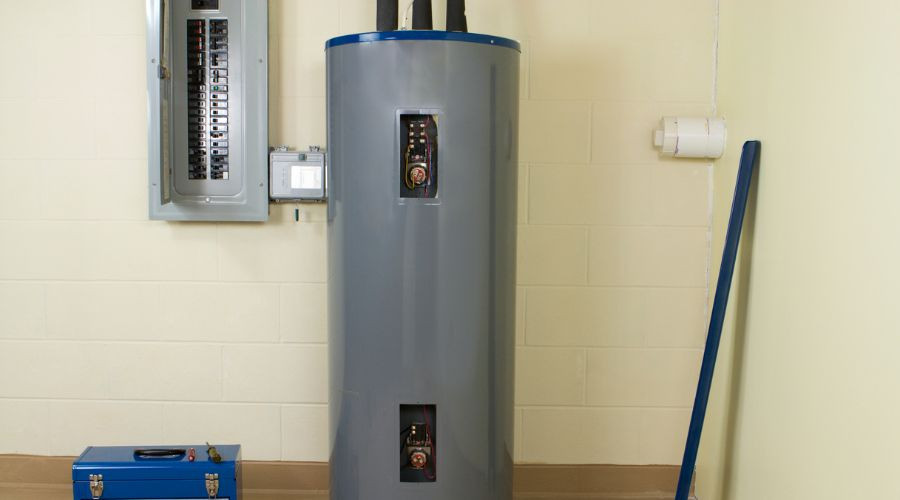
 Utility costs are always rising. Despite market influences, the price of natural gas and electrical power only seems to worsen. Water heaters already use up to 30% of the energy in the average home, making them expensive to operate. How much worse could the problem be if something went wrong with the water heater?
 Struggling water heaters often make noises that indicate problems. The trouble is that most people don’t spend enough time near their water heater to know the difference between normal operations and regular noise. Furthermore, a noisy water heater may go undetected simply because no one checks on it. Routinely checking the water heater and scheduling annual water heater maintenance can help find sounds that indicate repairs are needed. Common sounds that indicate abnormal operation are:
)
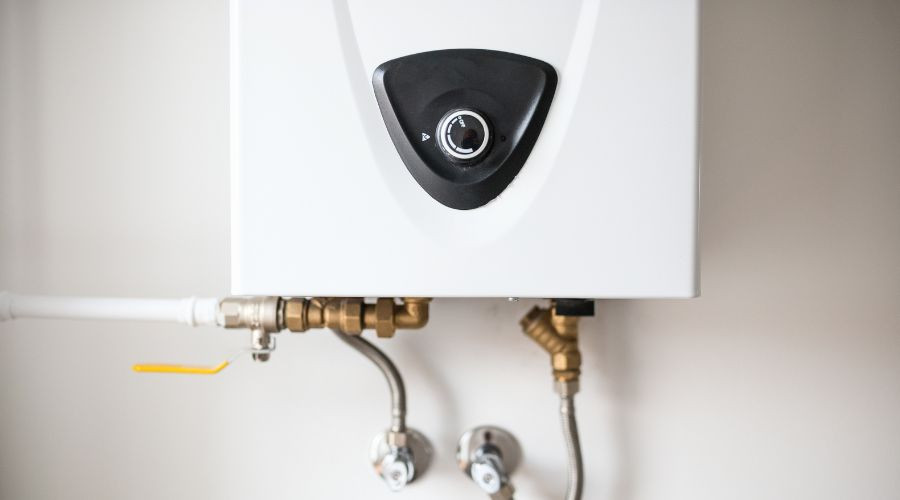
 Hot water tanks waste a lot of energy. Most homes only need water at certain times of the day, and for about 23 hours of the day, the water tank heats water so that it is ready. Wouldn’t a better approach be to heat water only when necessary?
  Conventional water tanks are sized by how many gallons the tank can hold. Tankless water heaters are sized based on how many fixtures need hot water at once. There are two implications hidden in this fact. First, as long as the flow is sensed, the tankless water heater will continue to provide hot water. This means endless hot water for families, so no one ever gets stuck taking a cold shower at the end of the day. Secondly, even a tankless water heater that handles multiple fixtures takes up much less space than a water tank. Switching to tankless water heaters can save valuable storage space by forgoing the bulky storage tank.
 )
 Another indicator of a leaking pipe may be a high water bill. If the bill has jumped sharply when there is no apparent change in
  Using a water meter to see if there is an obvious leak is a simple task. While it will not tell a homeowner where the leak is, it can show how quickly water leaks. This is a good practice so a homeowner can communicate with both the water company and the plumbing technician. The steps are as follows:
)

 The first instinct to reduce the cost of anything is simply to use it less. This is a good instinct and has powerful implications for saving water around the home. Most families have habits that could be changed to drastically reduce water usage around the home – starting with the potential for the most waste: the
  The last tip to save water is all about prevention. The biggest waste of water around the home is a water leak. Water leaks can waste hundreds of gallons of water in a year, easily adding up to the cost of a plumber.
 )