
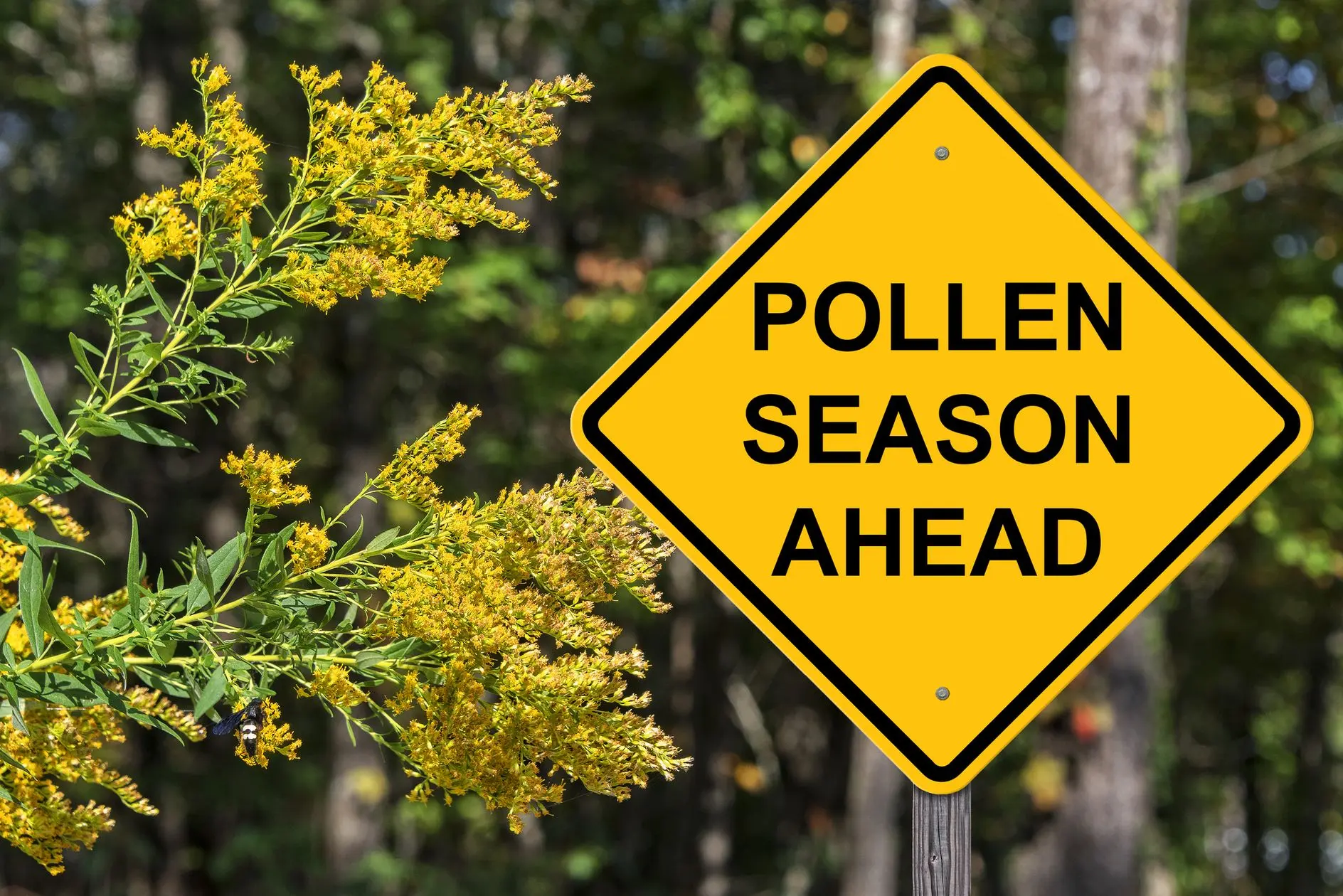
Allergy season can make your home feel less like a place to relax and more like a source of discomfort. Even when doors and windows stay closed, pollen inside the house can still build up and affect your indoor air quality.
Understanding how allergens enter your home and what you can do about them can help you create a cleaner, healthier living space for you and your family.
How Pollen and Allergens in Your Home Can Affect You
Pollen and airborne allergens do not just stay outside. They can enter your home through open doors, windows, clothing, pets, and even your HVAC system. Once inside, they circulate through the air and settle on surfaces.
This can lead to a range of symptoms, including:
- Sneezing and congestion
- Itchy or watery eyes
- Scratchy throat
- Headaches or sinus pressure
- Difficulty sleeping
- Increased asthma or breathing issues
Over time, poor indoor air quality can make these symptoms worse, especially for children, older adults, and anyone with allergies or respiratory conditions. Even if you do not usually deal with allergies, prolonged exposure to indoor pollutants can still cause discomfort.
How to Tell If You Have Too Many Allergens in the Air
It is not always obvious when your indoor air quality is suffering. However, there are several signs that may indicate a buildup of allergens or pollen inside the house.
Persistent allergy symptoms indoors
If your symptoms do not improve when you go inside, your home may be contributing to the problem.
Dust buildup on surfaces
Frequent dust accumulation on furniture, vents, and shelves may signal poor air filtration.
Stale or stuffy air
If your home feels heavy or lacks fresh airflow, allergens may be circulating without proper ventilation.
Increased HVAC usage without comfort improvement
If your system is running often but your home still feels uncomfortable, airborne particles may be affecting airflow and system performance.
Pet-related irritation
If you notice more irritation around pets, dander combined with pollen can increase allergen levels in your home.
Recognizing these signs early can help you take action before the problem becomes more severe.
How to Get Rid of Pollen in the House
Reducing allergens requires a combination of cleaning habits and proper air management. If you are wondering how to eliminate pollen, these steps can make a noticeable difference.
Keep pollen from entering your home
- Remove shoes at the door
- Change clothes after spending time outdoors
- Wipe down pets when they come inside
- Keep windows closed during high pollen days
Clean surfaces regularly
Dust and vacuum often to remove particles that settle on furniture, floors, and carpets. Using a vacuum with a HEPA filter can improve results.
Replace air filters consistently
Your HVAC filter plays a major role in trapping airborne particles. Changing it regularly helps reduce allergens circulating through your home.
Use air purification solutions
Air purifiers and HVAC add-ons like UV air sanitizers can help improve indoor air quality by reducing airborne contaminants.
Schedule HVAC maintenance
A properly maintained system can help filter and circulate air more effectively, reducing the buildup of allergens indoors.
How to Remove Allergens from Your Home for Good
If allergens continue to be a problem, it may be time to take a more comprehensive approach. Knowing how to remove allergens from your home involves improving both your air system and your daily habits.
Homeowners can benefit from:
- Upgraded air filtration systems
- Whole-home air purification solutions
- Professional duct inspections and cleaning
- Routine HVAC service to maintain airflow and efficiency
These solutions work together to reduce allergens at the source and improve overall indoor comfort.
Create a Healthier Indoor Environment
Pollen and allergens can build up quickly, but with the right steps, you can take control of your indoor air quality. By reducing pollen inside the house and improving your HVAC system’s performance, you can create a cleaner and more comfortable home.
If you are ready to improve your indoor air quality, consider working with a professional who can recommend the best solutions for your home.