Guide to Choosing Tankless Water Heaters

Why Install a Tankless Water Heater?

Tankless water heaters provide continuous hot water and increased energy efficiency compared to traditional tank models. Outdated systems often struggle with delays and limited supply, leading to frustration and higher energy bills. Newer technology heats water only when needed, offering a more efficient and reliable experience. This upgrade improves both comfort and household performance.

What Is a Tankless Water Heater and How Does It Work?

A tankless water heater heats water only when it is needed, rather than storing it in a tank. Water flows through the unit and is rapidly heated by gas burners or electric elements as it passes through a heat exchanger. Once the hot water tap is closed, the system stops heating, avoiding the energy waste common in storage models.

Traditional heaters maintain a tank of hot water 24/7, often wasting energy through standby heat loss. Tankless systems eliminate this issue and occupy less space, often mounted on walls instead of taking up floor area. These units typically produce 2 to 5 gallons of hot water per minute, enough to serve multiple fixtures at once. A properly sized system ensures a continuous supply without delay.

Benefits of Installing a Tankless Water Heater

shower head Immediate energy savings and long-term reliability are major benefits of installing a tankless water heater. According to the U.S. Department of Energy, tankless systems are 24–34% more efficient for homes using up to 41 gallons per day. This reduction in energy use can save between $100 and $200 per year on utility costs.

The compact design frees up floor space, and many models last more than 20 years with routine maintenance. Traditional storage tanks, by comparison, often need replacement every 8 to 12 years. Reduced maintenance, longer lifespan, and better efficiency make tankless units a practical investment for modern households.

Signs It's Time to Replace an Old Water Heater

dirty water Older tank water heaters often give warning signs before failure. Discolored water, unusual noises, and pooling near the base of the tank indicate internal corrosion, sediment buildup, or leaks. These physical symptoms suggest reduced efficiency and the need for replacement.

Performance issues, such as fluctuating temperatures and limited hot water supply, point to worn-out heating components. A unit nearing 10 years of age typically requires more frequent repairs and runs less efficiently. Rising energy bills without increased usage may confirm that the system is working harder than necessary. Upgrading to a tankless water heater resolves these issues while delivering reliable hot water for years to come.

Call Affordable Plumbing, Heating & Air

Affordable Plumbing, Heating & Air is a trusted plumbing, heating, and AC company serving Fairhope, AL, and beyond. They offer prompt service, friendly professionals, and quality workmanship. Call them for reputable tankless water heater services in Fairhope, Daphne, and Spanish Fort, AL.

Distribution Links +

A Guide to UV Air Sanitizers

Why Get UV Air Sanitizer Installation?

Homeowners are increasingly aware of how indoor air quality affects health and everyday comfort. A UV air sanitizer can dramatically reduce airborne contaminants, germs, and allergens, making it a smart investment for anyone concerned about allergies, asthma, or illnesses triggered by poor air quality. With UV sanitizer installation, families can enjoy peace of mind, knowing their HVAC system is working with an extra layer of protection to deliver fresher, healthier air throughout every season.

What Is a UV Air Sanitizer?

A UV air sanitizer is an advanced air purification device designed to work with a home’s heating and air conditioning system. It continuously eliminates airborne pathogens that standard air filters often fail to capture. Here’s how it operates:

  • UV-C Light Technology: A UV air sanitizer uses powerful ultraviolet (UV-C) light, which is proven to neutralize and destroy microorganisms such as bacteria, viruses, and mold spores. As air moves through the HVAC system and passes by the UV sanitizer, the light deactivates the DNA of these contaminants, rendering them harmless.
  • Seamless Integration: Installed inside the HVAC air handler or ductwork, the UV sanitizer treats every cubic foot of air that circulates throughout the home, instead of just cleaning the air in one room like a portable purifier might.
  • Continuous Purification: UV air sanitizers work while the heater or air conditioner runs, providing round-the-clock improvement in indoor air quality without disrupting the comfort or function of the HVAC system.

By targeting the source of indoor air pollution—airborne pathogens and allergens—the UV air sanitizer helps ensure every breath shared indoors is safer and cleaner.

Benefits of Installing a UV Air Sanitizer

save money Adding a UV air sanitizer to a home’s heating and air conditioning system offers significant advantages, ranging from health benefits to HVAC efficiency. The following points highlight why UV sanitizer installation is a popular choice:

  • Improved Indoor Air Quality: UV air sanitizers destroy up to 99% of airborne contaminants—including bacteria, viruses, and mold spores—ensuring the indoor environment is healthier for all occupants.
  • Reduction of Allergens and Contaminants: With fewer allergens such as pollen, pet dander, and dust mites in circulation, households will notice fewer allergy and asthma flare-ups, and those with respiratory challenges benefit most from consistently cleaner air.
  • Healthier Living Environment: Removing irritants, microbes, and other contaminants reduces the incidence of sickness, colds, and allergy symptoms, offering families better long-term well-being.
  • Enhanced HVAC Efficiency: Cleaner air within the HVAC system means less buildup on system parts like coils and blower fans. This leads to more efficient operation, fewer breakdowns, and energy savings reflected in lower utility costs.
  • Comprehensive Odor Control: By neutralizing microorganisms responsible for musty or unpleasant odors, UV air sanitizers help keep indoor spaces fresher and more inviting.
  • Whole-Home Coverage: Because the UV sanitizer is installed within the ductwork, it sanitizes air in every room—not just in isolated areas—providing reliable defense wherever heating or cooling is supplied.

From improving wellness and comfort to increasing the lifespan and performance of the HVAC system, UV air sanitizer installation is a wise home upgrade.

Signs a UV Air Sanitizer Is Needed

mold Some households have a greater immediate need for improved indoor air quality. Here’s when installing a UV air sanitizer becomes especially beneficial:

  • Frequent Allergy or Asthma Symptoms: Residents who often deal with sneezing, coughing, runny nose, or chest tightness may be reacting to high levels of allergens and airborne contaminants inside the home. UV air sanitizers effectively reduce these triggers.
  • Recurring Colds or Sickness: If family members regularly fall ill or struggle with upper respiratory symptoms, there may be an invisible presence of germs or viruses in the air. A UV air sanitizer combats lingering pathogens to help reduce the spread.
  • Existing Respiratory Conditions: For anyone living with asthma or chronic respiratory issues, having an HVAC system equipped with a UV sanitizer is an essential layer of defense against indoor air irritants.
  • Mold or Musty Odors: Homes with past or ongoing mold problems benefit greatly from UV air sanitizers, which help eliminate airborne mold spores and microorganisms. It is important to note, however, that while a UV air sanitizer treats mold in the air, it does not fix the root cause of moisture problems or mold growth on surfaces.
  • Pet Owners and Older Homes: UV air sanitizers are particularly valuable for homes with pets or those more prone to dust and dander accumulation, as these environments can exacerbate allergies and indoor air quality challenges.

Recognizing these signs signals when UV sanitizer installation is an ideal choice to maintain a healthy, allergen-free environment.

About Affordable Plumbing, Heating & Air

Affordable Plumbing, Heating & Air is locally owned and has operated for over three decades and four generations, proudly serving Baldwin County. They provide upfront pricing and no overtime charges. Call today for professional UV air sanitizer installations in Fairhope, AL.

Distribution Links +

Common Causes of Insufficient Water Pressure

What Causes Poor Water Pressure?

Experiencing low water pressure can be inconvenient and disruptive, especially if it affects daily activities such as showering or washing dishes. Identifying the root cause of poor water pressure is essential for effective troubleshooting and repair. Several factors can contribute to this issue, ranging from simple to complex solutions.

Faulty Fixtures or Closed Valves

shower head One of the primary and often overlooked culprits of low water pressure is faulty fixtures or closed valves. The resolution may be as simple as replacing a worn-out part or adjusting a valve.

If the decrease in water pressure is isolated to a single fixture, like a faucet or showerhead, it is likely due to a clog or defect in the specific fixture. Over time, fixtures can become clogged with calcium deposits or other debris, restricting water flow. In such cases, cleaning or replacing the fixture can restore water pressure to its full potential.

When poor water pressure is a widespread issue throughout the home, it is important to check valves such as the main water shutoff valve or the water meter valve. If these valves are unintentionally closed or partially closed, they can significantly reduce water pressure in all areas of the house. Simply ensuring that these valves are fully open can help restore adequate pressure levels.

Water Leaks

leak Water leaks can have a significant impact on overall water pressure, and addressing them promptly is crucial in maintaining an efficient water system.

A leak in the water lines can cause widespread low water pressure across all fixtures in the house. Even a small leak can lead to a noticeable drop in water pressure because the leak diverts pressurized water away from its intended path. This can often result in low water pressure in the shower and other areas of the home.

Repairing leaks is essential not only for restoring water pressure but also for preventing potential water damage and reducing water bills. Identifying the source of a leak and addressing it can immediately improve water pressure and protect the home from further damage.

Clogs and Buildup

Clogged water lines and buildup within plumbing lines are common contributors to low water pressure and require regular maintenance to avoid serious issues.

Over time, water lines can become clogged with limescale, mineral deposits, and other debris, particularly if the home uses hard water. These deposits accumulate over time, narrowing the passage through which water flows and resulting in lower water pressure. Additionally, older pipes made of materials like galvanized steel can corrode, further restricting water flow.

Regular maintenance, such as flushing the system or using water softeners, can prevent buildup and ensure water lines remain clear. In severe cases, pipe replacement may be necessary to restore optimal water pressure and flow throughout the house.

Call Affordable Plumbing, Heating & Air

Affordable Plumbing, Heating & Air is locally owned and has operated for over three decades and four generations, proudly serving Baldwin County and beyond. They offer upfront pricing, no overtime charges, and a 100% money-back guarantee. Call them for water leak detection in Fairhope, AL.

Distribution Links +

Everything You Need to Know About Replacing Your AC

Important AC Replacement Basics to Know

Understanding air conditioner replacement fundamentals can save thousands in unnecessary costs and prevent common installation mistakes. The right AC replacement approach involves more than just swapping old units for new ones—it requires careful assessment of a home's specific cooling needs. This guide offers expert, stress-free advice to help ease frustrations and transform cooling worries into confidence.

If an outdated HVAC system is leaving a home sweltering, these clear, actionable tips promise fast, life-changing relief. Packed with simple, practical steps and real-world solutions, this blog post sets individuals on the path to a cooler, more comfortable home. Read on to learn how upgrading can be done with ease.

Signs to Replace an Air Conditioner

Is a cooling system struggling to keep up? Recognizing when air conditioner replacement becomes necessary can save from sweltering summer discomfort and unexpected breakdowns. Most AC units show specific warning signals before they fail completely, giving homeowners time to plan for this significant home improvement investment.

One of the most reliable indicators that a new cooling system is needed is simply age. When an air conditioner surpasses the 10-year mark, efficiency naturally declines. Modern HVAC systems offer dramatically improved energy efficiency compared to older models. An aging unit works harder to achieve the same cooling effect. This increased strain not only reduces comfort but significantly impacts monthly utility costs.

Rising energy bills often serve as the first noticeable red flag for homeowners. If electricity costs are climbing despite similar usage patterns, the AC unit is likely losing efficiency. According to the Department of Energy, replacing an outdated air conditioner with a newer, energy-efficient model can reduce cooling costs by 20-40%. Furthermore, when repair costs exceed 50% of a new unit's price, replacement becomes the more economical choice in the long run.

Additional warning signs include:

  • Frequent repairs needed within a short timeframe
  • Inconsistent cooling with hot and cold spots throughout a home
  • Unusual noises like grinding, squealing, or rattling during operation
  • Excessive humidity levels indoors despite regular AC use

If a home is taking longer to reach comfortable temperatures, this gradual cooling decline often indicates that the system can no longer meet the household's needs. These signals should be trusted—they are the home’s way of indicating it's time for an HVAC upgrade.

Advantages of Replacing an Old AC Unit

save money Investing in a new air conditioner replacement delivers immediate and long-term advantages for homeowners seeking improved comfort and efficiency. Modern AC units operate at significantly higher efficiency ratings than older models, often reducing energy consumption by 20-30% according to Energy Star data. This translates directly to lower monthly utility bills. The savings add up quickly, especially during peak cooling seasons when the system works hardest.

Replacing an aging cooling system eliminates the frustrating cycle of frequent repairs that older units typically require. New HVAC equipment comes with comprehensive warranties, protecting the investment for years. Peace of mind is gained. Beyond financial benefits, replacement units provide noticeably enhanced comfort through more consistent cooling, improved humidity control, and quieter operation throughout living spaces.

A new air conditioner might improve a home's air quality. Modern AC installations feature advanced filtration systems that capture more airborne particles, reducing allergens and contaminants circulating throughout the home. This upgrade particularly benefits allergy sufferers and those with respiratory sensitivities. Additionally, professional HVAC installation presents the perfect opportunity to resize the cooling system if the previous unit was improperly matched to the home's square footage. A correctly sized system prevents inefficient short-cycling while ensuring complete comfort throughout every room, transforming the home environment during the hottest months.

Choosing a Type of AC System

acWhen planning an air conditioner replacement, homeowners typically face a crucial decision between installing a ductless mini-split system or upgrading to a central AC system. This choice significantly impacts a home's comfort, energy efficiency, and overall cooling performance for years to come. The right cooling solution depends on specific circumstances.

Ductless mini-split systems offer remarkable flexibility for homes without existing ductwork. These HVAC alternatives consist of an outdoor compressor connected to one or more indoor air-handling units. They are perfect for room-by-room temperature control. Unlike central systems, mini-splits don't require extensive renovation to install ductwork, making them ideal for older homes, additions, or spaces where duct installation would be impractical. However, multiple units may be needed to cool an entire home effectively.

Central air conditioning systems, conversely, provide whole-home cooling through a network of supply and return ducts. They excel in larger homes where consistent cooling throughout multiple rooms is desired. Modern central AC units boast impressive energy efficiency ratings compared to older models. If a home already has functional ductwork, upgrading to a new central system often represents the most cost-effective replacement option. A professional HVAC contractor can evaluate the specific situation and recommend the optimal cooling solution based on the home’s layout, existing infrastructure, and cooling needs.

When considering an air conditioner replacement, understanding the differences between central air systems and mini-split units can significantly impact comfort and finances. Central air conditioning systems typically offer whole-home cooling through a single unit, while ductless mini-splits provide targeted cooling in specific zones. The right choice depends on a home's layout and budget priorities.

Central air conditioning systems generally have a lower upfront installation cost, making them attractive for immediate budget concerns. They integrate with existing ductwork, reducing initial expenses. However, this affordability comes with a trade-off. Energy bills often run higher with central systems because they cool the entire home regardless of which rooms are actually being used. Duct losses can waste up to 30% of energy consumption according to the U.S. Department of Energy, especially if ducts pass through unconditioned spaces.

Conversely, mini-split air conditioners offer superior energy efficiency and zoned cooling capabilities. These systems deliver conditioned air directly to targeted areas without ductwork. They provide better temperature control room by room. Mini-splits typically reduce monthly energy costs by 20-30% compared to central systems, creating substantial long-term savings. Nevertheless, the initial investment is steeper—often 30% more expensive to install than central air conditioning. For most homeowners who plan to stay in their homes for at least five years, the efficiency benefits eventually outweigh the initial price difference.

About Affordable Plumbing, Heating & Air

Affordable Plumbing, Heating & Air is a trusted plumbing and HVAC contractor serving Fairhope, Daphne, Spanish Fort & Baldwin County since 1996. They offer on-time service, friendly professionals, and quality workmanship. Call them for air conditioning replacement services in Fairhope, AL.

Reasons Why Homeowners Should Install a Water Filtration System

The Importance of Installing a Whole House Water Filter

Unsafe tap water presents a growing concern, but a water filtration system offers an effective solution for obtaining clean, pure drinking water while safeguarding the health of family members. Advanced home filters remove harmful contaminants and improve taste, ensuring access to water that is both healthy and refreshing. The peace of mind that comes with knowing every sip is safe and clean is invaluable. Installing a water filtration system brings numerous benefits, transforming the quality of water and offering long-term advantages.

What Do Water Filtration Systems Do?

A home water filtration system removes contaminants, impurities, and unwanted particles from drinking water through specialized filtration processes. These systems act as protective barriers between harmful substances and the water flowing from the tap, targeting everything from sediment and chlorine to more dangerous contaminants like lead and bacteria.

Residential water purification systems typically employ multiple stages of filtration to clean the water. The process begins with sediment filtration, which captures larger particles like dirt, rust, and sand, preserving the lifespan of subsequent filters. Activated carbon filtration follows, effectively removing chlorine, volatile organic compounds (VOCs), and substances that impact taste and odor. The Water Quality Association notes that activated carbon can reduce over 70 different contaminants from water supplies.

The final stages of purification vary depending on the specific system and the water quality needs. Reverse osmosis technology forces water through a semipermeable membrane, blocking contaminants as small as 0.0001 microns. Alternatively, UV purification destroys 99.99% of harmful microorganisms without the use of chemicals. The right combination of filtration technologies addresses specific water concerns, ensuring cleaner, safer, and better-tasting water.

Benefits of Water Filtration Systems

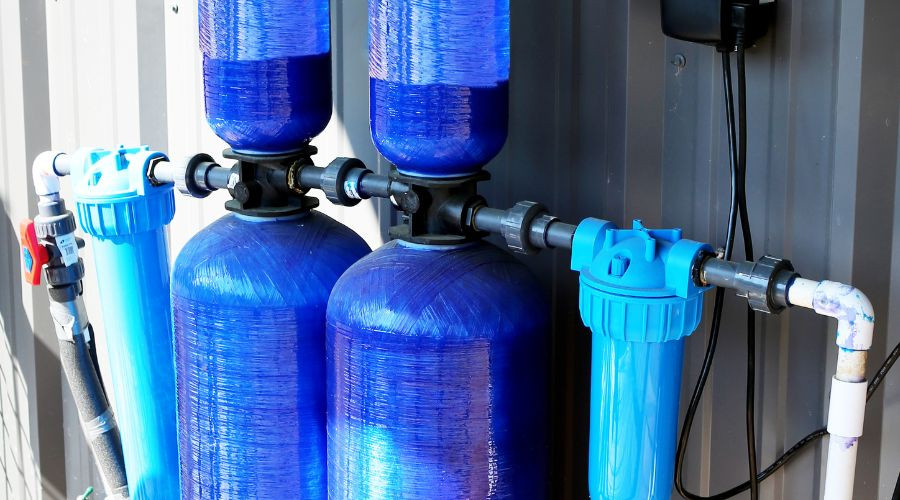
water Installing a whole-house water filtration system ensures protection for every water source in the home. Unlike point-of-use filters, which purify water at specific taps, whole-house systems treat water as it enters the property, providing clean water from every faucet and benefiting the entire plumbing system.

A whole-house filter significantly improves water quality, effectively removing contaminants such as chlorine, sediment, heavy metals, and chemicals that affect taste, odor, and safety. According to the Water Quality Association, properly filtered water can extend the lifespan of water-using appliances by up to 30%, leading to substantial savings on repairs and replacements over time.

In addition to health benefits, whole-house filtration systems offer convenience and consistency. No longer is there a need to maintain multiple filters or worry about which water sources are safe for drinking. These systems also help preserve plumbing infrastructure by preventing scale buildup and pipe corrosion. Many homeowners report that skin and hair feel noticeably softer after using filtered water. Maintenance is minimal, typically requiring filter changes every 3-12 months, depending on the system, offering comprehensive protection with little ongoing effort.

Signs a Home Needs a Water Filtration System

sinkTap water can provide subtle clues when it’s time for a filtration system. Strange tastes, unusual odors, or discolored water are immediate signs that shouldn’t be ignored. Water quality directly impacts everything from coffee to health, and these issues indicate the need for attention.

Mineral deposits on fixtures and appliances are a sign of hard water issues, which a filtration system can resolve. These chalky residues not only look unappealing but can damage appliances over time. Water heaters, dishwashers, and coffee makers often show the first signs of wear. The Water Quality Association reports that 85% of American homes have hard water issues that can benefit from filtration treatment.

Water quality can also be assessed by how it feels. Dry, itchy skin after showering or clothes that feel stiff after washing often point to water quality problems. Recurring plumbing issues may stem from water quality rather than the pipes themselves, and proper water purification often alleviates these problems. Decreasing water pressure could signal mineral buildup in pipes, another indication that it’s time to consider a comprehensive water filtration solution.

Call Affordable Plumbing, Heating & Air

Affordable Plumbing, Heating & Air is a trusted plumbing company serving Fairhope, AL, and beyond. They offer prompt service, 24-hour response, and no overtime charges. Call them for water filtration system installation & repair in Fairhope, AL.

Distribution Links +